
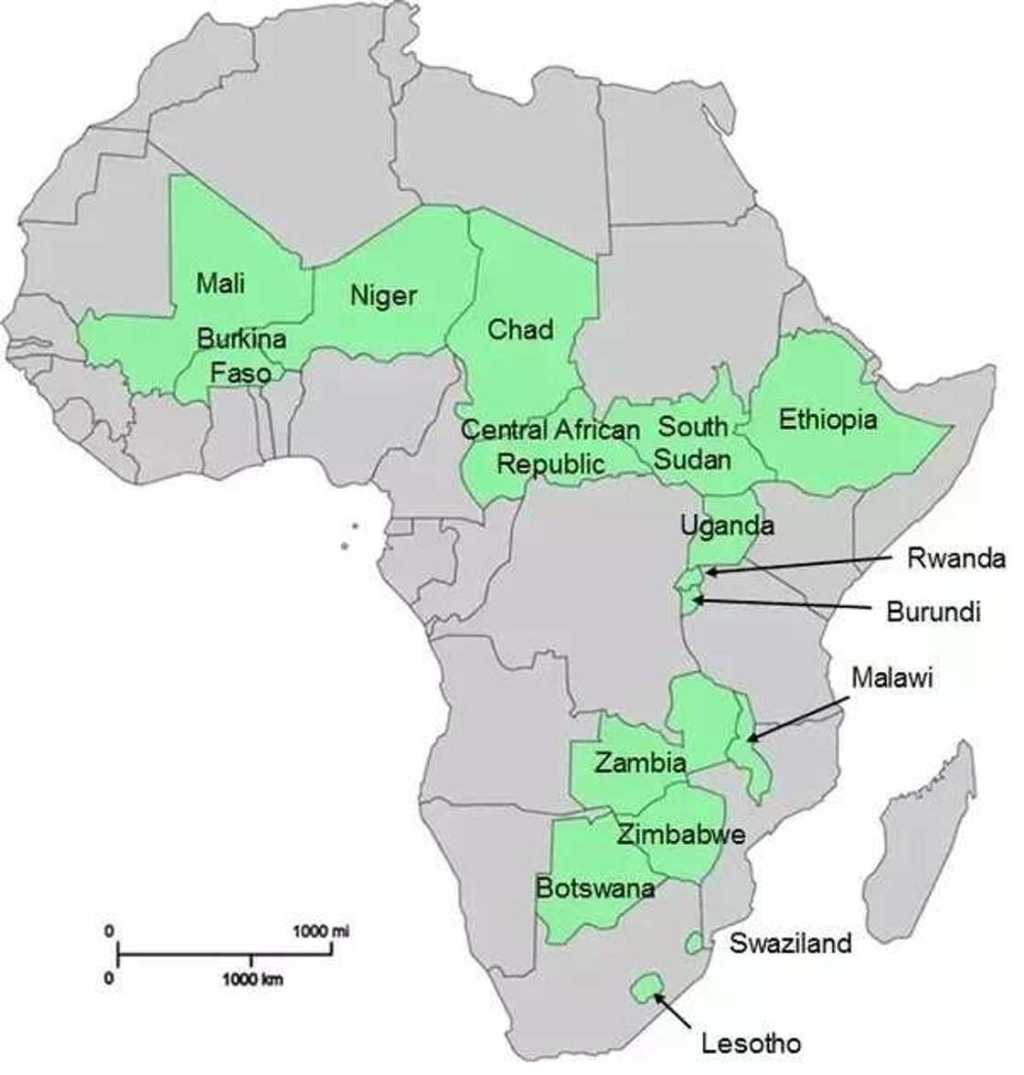
The maritime industry is often seen as the domain of coastal nations with bustling ports and global shipping routes. Yet, its impact reaches far beyond the shoreline, serving as a lifeline for African inland economies, including landlocked countries and those with access to inland waterways. From facilitating trade to driving infrastructure development, creating jobs, and fostering regional integration, the maritime sector encompassing both seaports and inland water transport plays a pivotal role in powering economic growth across Africa’s interior. Lets explore why the maritime industry is so critical to African inland economies and explore the opportunities and challenges it presents.
Facilitating Trade for Landlocked and Inland Regions
Africa is home to 16 landlocked countries, including Uganda, Botswana, Rwanda, Burundi, Burkina-Faso, Zambia, Malawi, Central African Republic, Chad, Ethiopia, South Sudan, Eswatini, Mali, Niger, Lesotho and Zimbabwe which rely heavily on coastal ports like Mombasa (Kenya), Dar es Salaam (Tanzania), and Durban (South Africa) to connect to global markets.
These ports handle over 80% of trade for countries like Uganda, enabling exports of agricultural products and minerals while bringing in essential imports like machinery, petroleum oil and consumer goods. Efficient port operations and reliable shipping routes reduce costs and transit times, directly boosting inland economies.
But it’s not just about coastal ports. Inland water transport is a game-changer for both landlocked and non-landlocked nations. Major waterways like Lake Victoria, Lake Tanganyika, and the Congo River act as vital trade corridors. For example, Lake Victoria connects Uganda, Kenya, and Tanzania, moving goods like fish, coffee, and manufactured products to coastal ports for export. The Congo River, meanwhile, supports trade in the Democratic Republic of Congo (DRC) by transporting timber and minerals. These inland waterways offer a cost-effective alternative to road transport, making trade more accessible and affordable for inland communities.
Driving Infrastructure Development
The maritime industry fuels the development of transport corridors that link coastal ports and inland waterways to Africa’s interior. For landlocked countries, roads, railways, and water networks are essential for moving goods to and from ports. Investments in these corridors, driven by maritime trade demands, enhance connectivity and spark economic activity in inland regions.
Take the Northern Corridor, which connects Mombasa to Uganda, Rwanda, and the DRC. Upgrades to its rail and road infrastructure have slashed transit times, benefiting inland economies. Similarly, the Central Corridor links Dar es Salaam to Uganda, Burundi and Rwanda, driving growth through improved transport links.
Inland water transport infrastructure is just as critical. Ports like Mwanza on Lake Victoria (Tanzania) and Gisenyi (Rwanda) provide docking and storage facilities for goods transported across the lake. The ongoing plans for investments in modernized cargo handling and upgraded terminals on these waterways will enhance trade efficiency, lowering costs for inland communities and boosting their access to global markets.
Economic Opportunities
The maritime industry is a major job creator, with its impact extending far into inland regions. Coastal ports generate employment in shipping and logistics, but inland water transport systems also provide livelihoods. Boat operators, dockworkers, and maintenance crews on Lakes Victoria, Tanganyika, Nyasa, and Albert, and Rivers Nile and the Congo support communities far from the coast. For instance, the fishing and transport industries around Lake Malawi employ thousands in Malawi and Tanzania, ensuring livelihood and driving local economic growth.
The maritime sector also supports key inland industries like agriculture and mining. Zambia’s copper exports, shipped through coastal ports, sustain mining communities, while Uganda’s coffee and tea rely on Lake Victoria and coastal ports to reach global markets. This enables industry to thrive in inland economies which creates jobs and fosters economic resilience across Africa’s interior.
Challenges and Opportunities
Despite its transformative impact, the maritime industry faces challenges that affect inland economies, for example:
- Landlocked countries often grapple with high transport costs due to long transit routes and reliance on foreign ports.
- Inland water transport systems face their own hurdles, including outdated vessels, shallow waterways, and underdeveloped port facilities. For example, navigation on the Congo River is often slowed by siltation and lack of modern infrastructure, driving up costs for traders.
- underinvestment into the maritime sector by the inland states as the importance of maritime transport isn’t vividly visible within inland states.
- deficiency of trained labor force to develop and operate the inland water transport system.
- inadequate funding into multi-modal transport links or networks to ensure full utilization of inland waterways as logistics hubs.
These challenges, however, open doors for progress. Investments in inland water transport infrastructure and multi-modal water-rail link for example the East Africa Standard Gauge Railway (SGR) will significantly improve efficiency. Developing modern dry ports (inland terminals linked to seaports) also reduces pressure on coastal facilities and enhances access for landlocked regions.
The Path Forward: Policy and Investment
To fully harness the maritime industry’s potential for African inland economies, governments, regional organizations, and private stakeholders must prioritize strategic investments and policies. Key steps include:
- Upgrading Infrastructure: Enhance roads, railways, and inland waterway systems to lower transit costs and improve connectivity.
- Modernizing Ports: Invest in inland ports, like Mwanza, Kisumu and Port Bell on Lake Victoria, to boost cargo handling efficiency.
- Strengthening Regional Cooperation: Harmonize customs procedures and improve crossborder coordination to facilitate trade.
- Promoting Sustainability: Adopt eco-friendly shipping and inland water transport practices, such as fuel-efficient vessels, to align with global sustainability goals.
Conclusion
The maritime industry, encompassing coastal ports and inland water transport, is a vital engine for African inland economies. By facilitating trade, driving infrastructure development, creating jobs, and fostering regional integration, it connects landlocked and inland regions to global markets, unlocking economic potential and ensuring that inland economies thrive in a connected, globalized world.
 WMU AFRICA & CARIBBEAN STUDENTS ASSOCIATION
Leave a comment