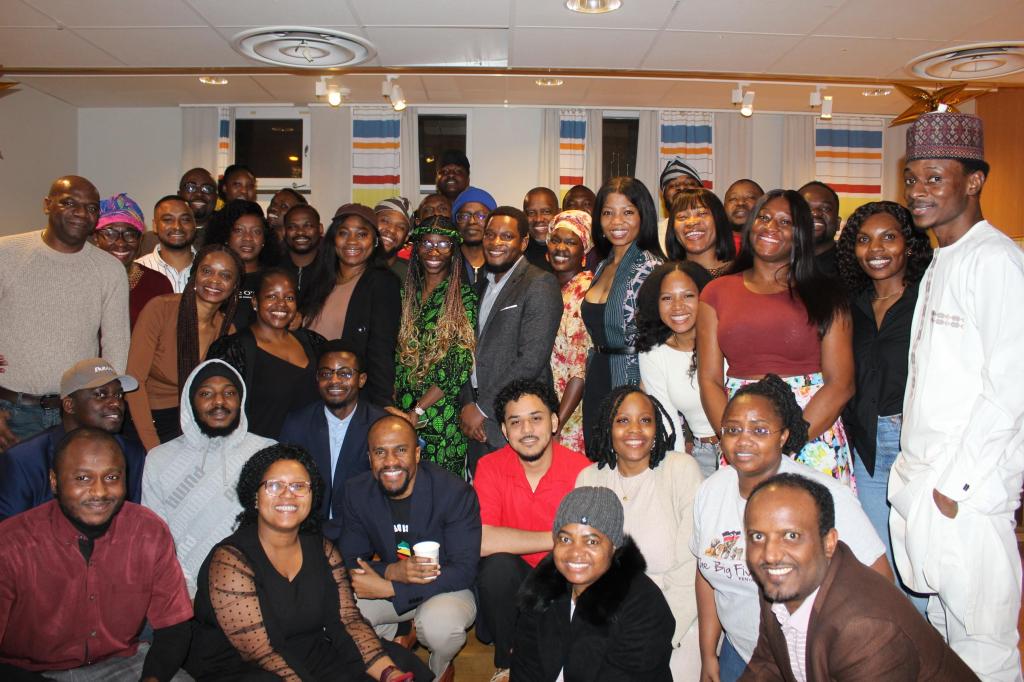
The maritime sector in Africa and the Caribbean stands at a critical juncture, with immense potential for growth but facing significant challenges in workforce development, regional collaboration, and global influence. Industry leaders and colleagues, including Mr. Mzwamandla Sosibo, Mr. Mark Terver Mailumo, and Mr. Marvis Frank Hoppie, discussed and highlighted key issues and opportunities to advance the maritime landscape within the Africa and Caribbean Regions.
The South Africa and South & Eastern Africa Perspective
Mr. Sosibo, a key leader in the South African Maritime Safety Authority (SAMSA), gave an overview of the South African Maritime industry and general structure of the industry. He then outlined several opportunities and pressing challenges including:
- A significant issue is the production of seafarers who face limited absorption into the industry, resulting in underutilized talent.
- Leadership development within the current workforce, particularly in key positions, remains a gap, with a need for enhanced competence in maritime affairs, especially maritime awareness.
- Additionally, there is a lack of focused policy to promote the inclusion of the Afro-Caribbean workforce, which hinders diversity and representation.
- Engagement with organizations like the African Association of Maritime Administrations (AAMA) is critical but underdeveloped, particularly in fostering technical knowledge.
- Geopolitical tensions and navigating foreign relations further complicate progress, requiring strategic diplomacy to ensure African maritime interests are represented globally.
- The influence of alumni from institutions like the World Maritime University (WMU) and the Global Ocean Leadership Initiative (GOLI) is underutilized, with a need to reintegrate these professionals into the industry to drive innovation and continuity.
The Nigerian Maritime Industry and West African Regional Dynamics
Mr. Mark M., a leader within Nigeria Maritime Administration and Safety Agency (NIMASA) provided an overview of Nigeria’s maritime industry, which encompasses ports, fisheries, and tourism. He identified the following opportunities and challenges within the African maritime industry:
- challenges in capacity building especially in the shortage of institutions for the skilling and training of seafarers. National and regional maritime education institutions need strengthening to meet industry demands.
- Maritime cabotage—policies to prioritize local participation in coastal shipping—is critical to building local capacity but requires better implementation.
- Mr. Mark emphasized the need to extend maritime knowledge into trade, ensuring that the sector contributes to broader economic goals.
- Integration into regional maritime organizations is essential for cohesive development, yet representation in these bodies remains limited. Enhanced participation would allow Nigeria and other West and Central African nations to shape regional policies and standards effectively.
The Caribbean Maritime Landscape
Mr. Marvis, a leader within the Guyana Maritime Administration, highlighted the Caribbean’s unique maritime profile. He highlighted that the discovery of major oil reserves in Guyana in 2015, has positioned the country as an emerging player in the global energy market. He added that Caribbean Community (CARICOM) has a strong focus on the cruise industry and yachting, however there is a lot of untapped potential for the Caribbean maritime industry, which could drive future economic growth. He noted the following opportunities and challenges within the maritime industry:
- Workforce competencies within maritime administrations and safety agencies need improvement to meet international standards.
- Port reception facilities and compliance with the International Convention for the Prevention of Pollution from Ships (MARPOL) are critical areas requiring investment.
- underinvestment into alternative fuels and the energy transition yet the global maritime industry is eyeing a net zero carbon future. The Caribbean as a transshipment and transit route has emmence potential to be a hub for alternative and green fuels hub.
- Stressed the need for stronger collaboration with regional maritime agencies to prepare, position, and produce impactful outcomes in the maritime space.
A Unified African and Caribbean Vision
A key resolution that emerged from the discussions was “the need for African and Caribbean nations to collaborate and give direction to the development of maritime industry“. By collaborating, these regions can influence the formulation of global shipping regulations, ensuring that trade and cargo interests in their countries are prioritized.
To address these challenges, stakeholders propose several actionable steps:
- Collaboration and Communication: Strengthen ties with regional and international maritime bodies, such as AAMA, PMAESA, CARICOM, Abuja MOU, IOMOU and CMOU, to foster knowledge sharing and policy alignment.
- Alumni Integration: Create a database to track WMU and GOLI alumni, harnessing their expertise to mentor the next generation and drive innovation.
- Regional Maritime Education: Promote and expand maritime training programs to build a skilled workforce capable of meeting industry demands.
- Engagement with Associations: Identify and engage former members of the African and Caribbean Students Association (ACSA) within key industry bodies to amplify regional influence.
Conclusion
The African and Caribbean maritime sectors are poised for transformation, with opportunities to enhance economic growth through trade, tourism, and resource development. However, addressing challenges such as workforce absorption, leadership development, and regional integration is essential. By fostering collaboration, leveraging alumni networks, and advocating for a unified presence at the IMO, these regions can strengthen their maritime industries and secure a prominent role in the global maritime landscape. The path forward requires strategic investment in education, policy, and partnerships to ensure sustainable progress and lasting impact.
 WMU AFRICA & CARIBBEAN STUDENTS ASSOCIATION